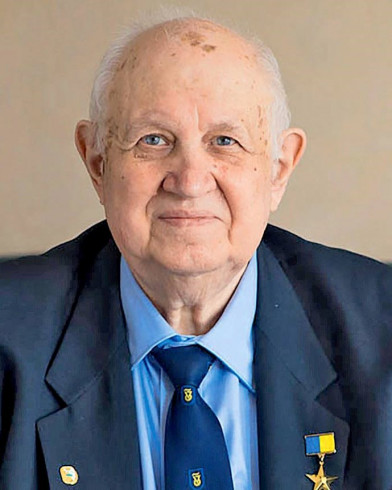
Doctor of Engineering Sciences. As director of the scientific and technical
centre, he participated in the recovery efforts following the Chernobyl disaster.
From 1985 to 2010, he studied the effect of strong magnetic fields on the crack
resistance of structural materials for fusion reactors at the National Academy of
Sciences of Ukraine (ITER project). Dr. Volodymyr Lietunov is the project manager and
author of the scientific discovery "Method for converting natural radiofrequency
radiation energy into direct current."
Doctor of Physical and Mathematical Sciences. Awarded the Pope John Paul II
Commemorative Medal for his personal contribution to the liquidation of the
consequences of the Chernobyl disaster. 1991–1994 — President of the Ukrainian
Physical Society. 1994–1998 — First Vice President of the National Academy of
Sciences of Ukraine. Dr. V. Baryakhtar is a member of the American Physical Society and
the International Union of Mathematical Physics. He was awarded the N. M. Krylov
Prize (USSR Academy of Sciences, 1985), the N. N. Bogolyubov Prize (JINR, 1998),
two USSR State Prizes, and the State Prize of Ukraine. Dr. Viktor Baryakhtar is a
co-author of the scientific discovery "Method for Conversion of Natural
Radiofrequency Radiation Energy into Direct Current."
Project Development History
Theoretical research into the possibility of converting natural electromagnetic
radiation into electric current was conducted from 2010 to 2013 at the Ukrainian Academy
of Sciences under the direction of internationally recognized theoretical physicist
Dr. Viktor Baryakhtar.
In 2013, experiments were conducted in the Republic of Lithuania under the direction
of experimental physicist Dr. Volodymyr Lietunov, the results of which were patented. The
national patent passed international examination and was published. It can be found here:
patents.google.com/patent/WO2013114285A2.
In 2018–2019, experimental research under Dr. Volodymyr Lietunov's direction continued in
China. The experimental results demonstrated the discovery of a new source of renewable
energy — natural radiofrequency radiation.
The project's development was interrupted by the COVID-19 pandemic and
the war in Ukraine.
Method for Conversion of Natural Radiofrequency
Radiation Energy into Direct Current
Natural Radiofrequency Energy
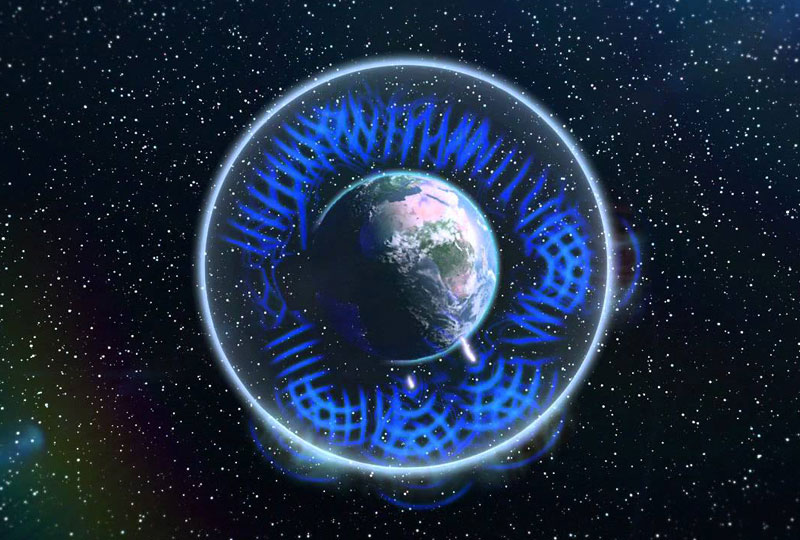
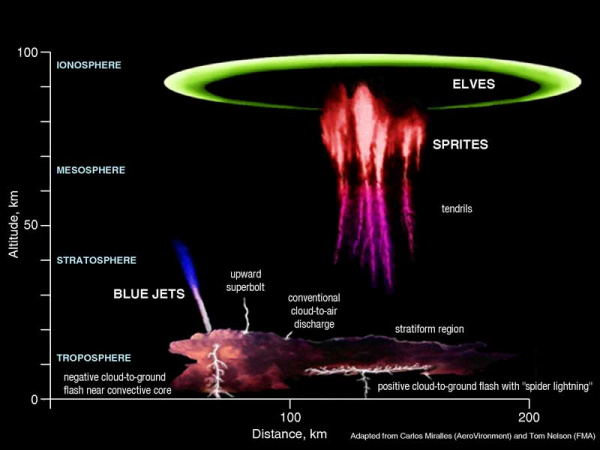
The space between the Earth's surface and the ionosphere is a spherical waveguide
of natural and anthropogenic radiofrequency radiation. The source of natural
radiofrequency radiation, the energy of which fills the space of the spherical
waveguide, is solar radiation and natural phenomena resulting from the interaction of
the Earth's ionosphere and lithosphere (lightning in the upper atmosphere, normal
lightning, desert storms, etc.).
We have invented a method for converting the energy of a unit volume of a
spherical waveguide (energy cube) into electric current. This represents the
discovery of an untapped source of renewable energy — natural radiofrequency
radiation. A unit volume of near and deep space, filled with cosmic radiofrequency
energy, is also a source of electrical energy.
The space between the Earth's surface and the ionosphere — a
spherical waveguide of natural radiofrequency radiation.
Energy Cube
Our technology is based on the generation of induced electromagnetic noise in a
solenoid exposed to radio waves. The RF energy harvesting device consists of a
solenoid and a converter of high-frequency currents from the solenoid circuit to
direct current (DC).
Energy from the Earth's spherical waveguide accumulates in the solenoid as
self-induction. The accumulated energy is proportional to the solenoid's volume and
the number of turns. The RF energy collector is superior to a solar collector because
it operates in the dark.
Experiment in China
In 2019, we experimentally demonstrated in China the feasibility of converting
solenoid self-induction energy (in the form of electromagnetic noise) into direct
current. The experiment was conducted 100 km from Beijing, in a mountain gorge.
0.00008 m³solenoid volume
30 000turns
4 mWDC generated
5 sself-induction energy accumulation time
Solenoid length 1 m, diameter 10 mm.
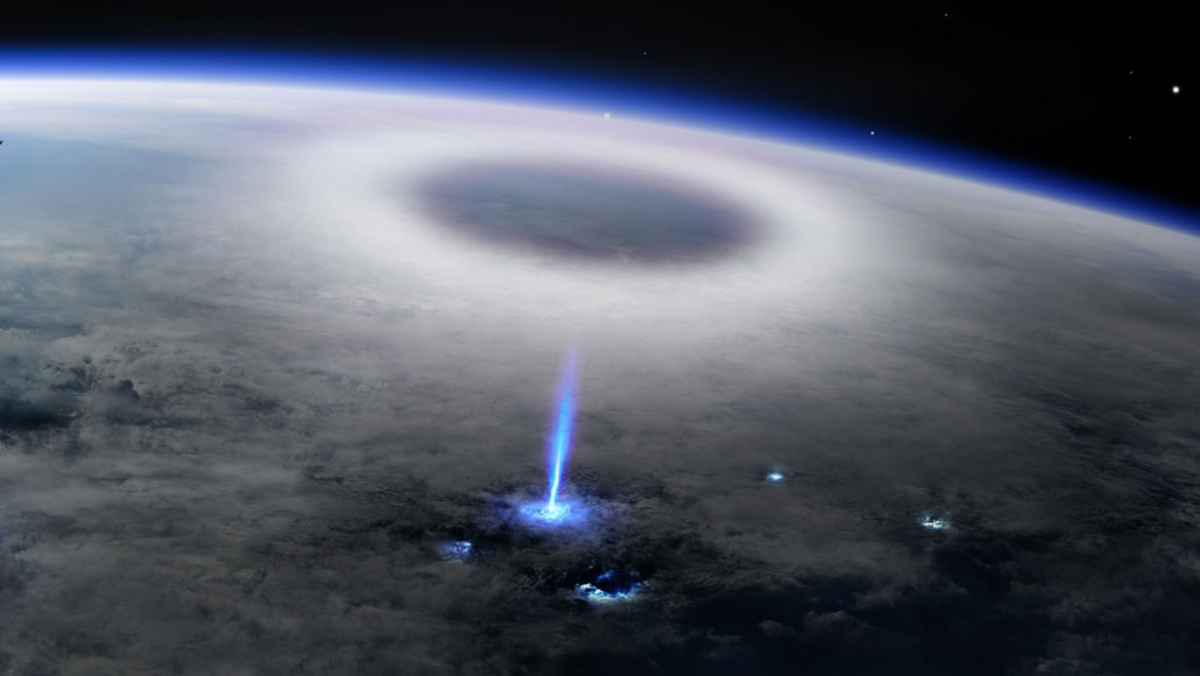
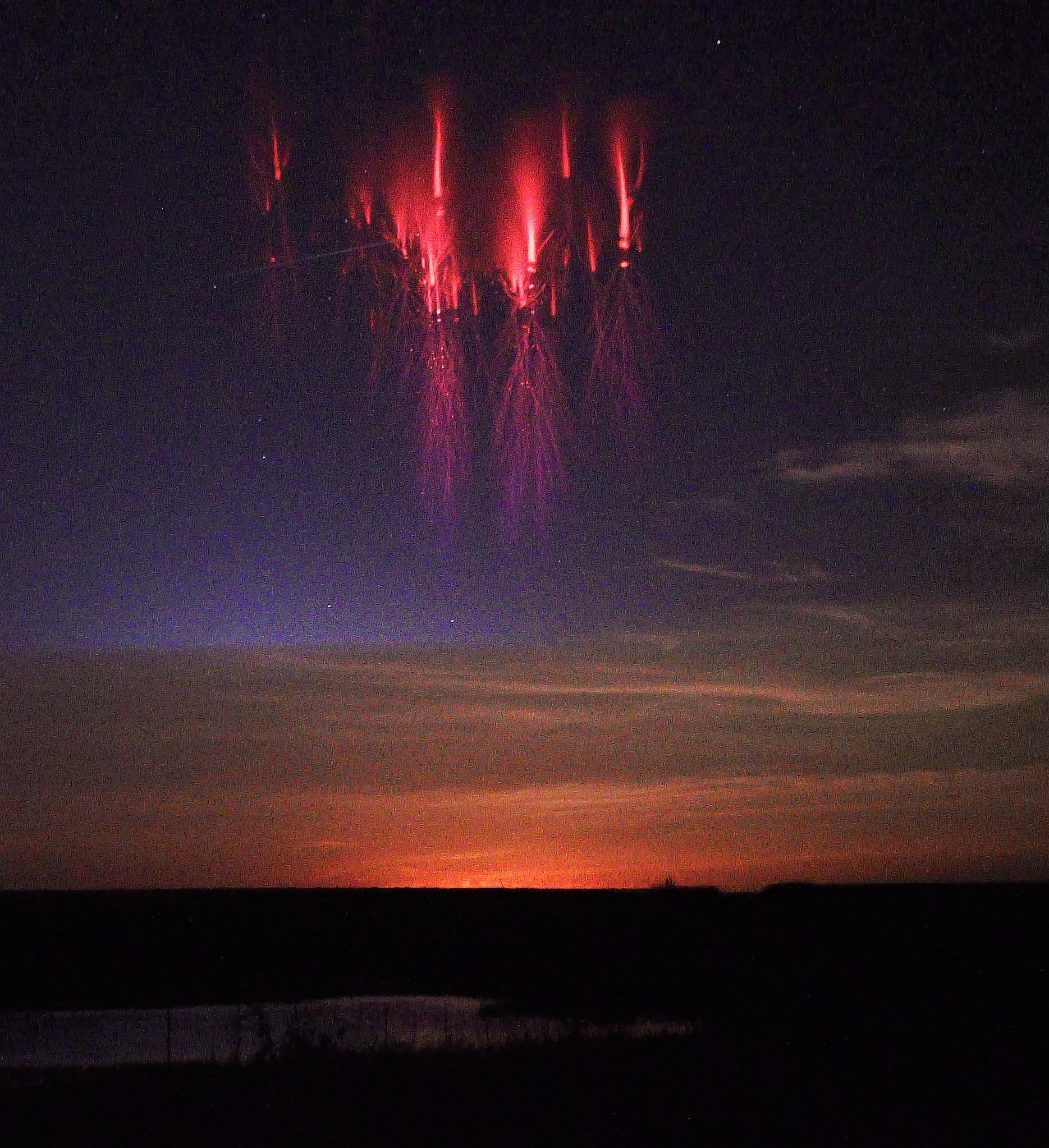
Blue jet rising from a thunderstorm into the stratosphere.Red sprites above a distant storm — a source of natural radiofrequency radiation.
What happens above thunderstorms?
Important Note
A key result of the discovery of this new energy source is that electrical energy
obtained from the "energy cube" of the spherical waveguide of Earth's natural
radio emissions does not require long-distance transmission. An energy cube, with a
volume of one cubic meter to one cubic kilometer, contains enough energy for street
lighting, powering an orbital station in space, and smelting aluminum.
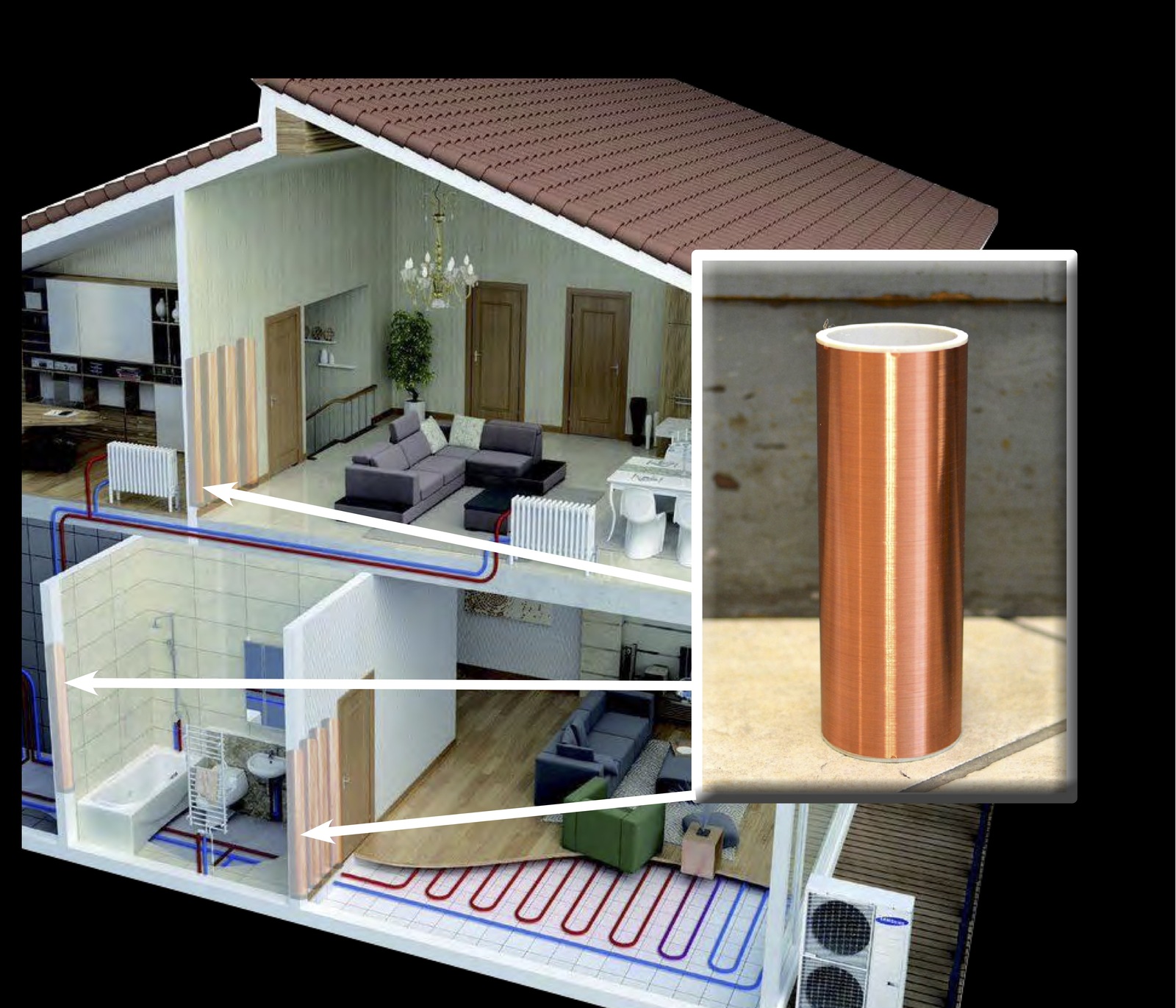
The collector's solenoids can be embedded into a building's structures —
walls, floors, columns and more.
01
Installation Inside a House
A key result of this new energy source is that electrical energy obtained from the
"energy cube" of the Earth's natural radiofrequency waveguide does not require
long-distance transmission. An energy cube, with a volume of one cubic meter to one
cubic kilometer, contains enough energy for street lighting, movement in space, and
aluminum smelting.
A collector of natural electromagnetic radiation can serve as a source of autonomous
power supply for a house. Building structures — walls, floor, columns, roof — the volume
of which is filled with hundreds of thousands of solenoids, perform the function of an
electricity generator.
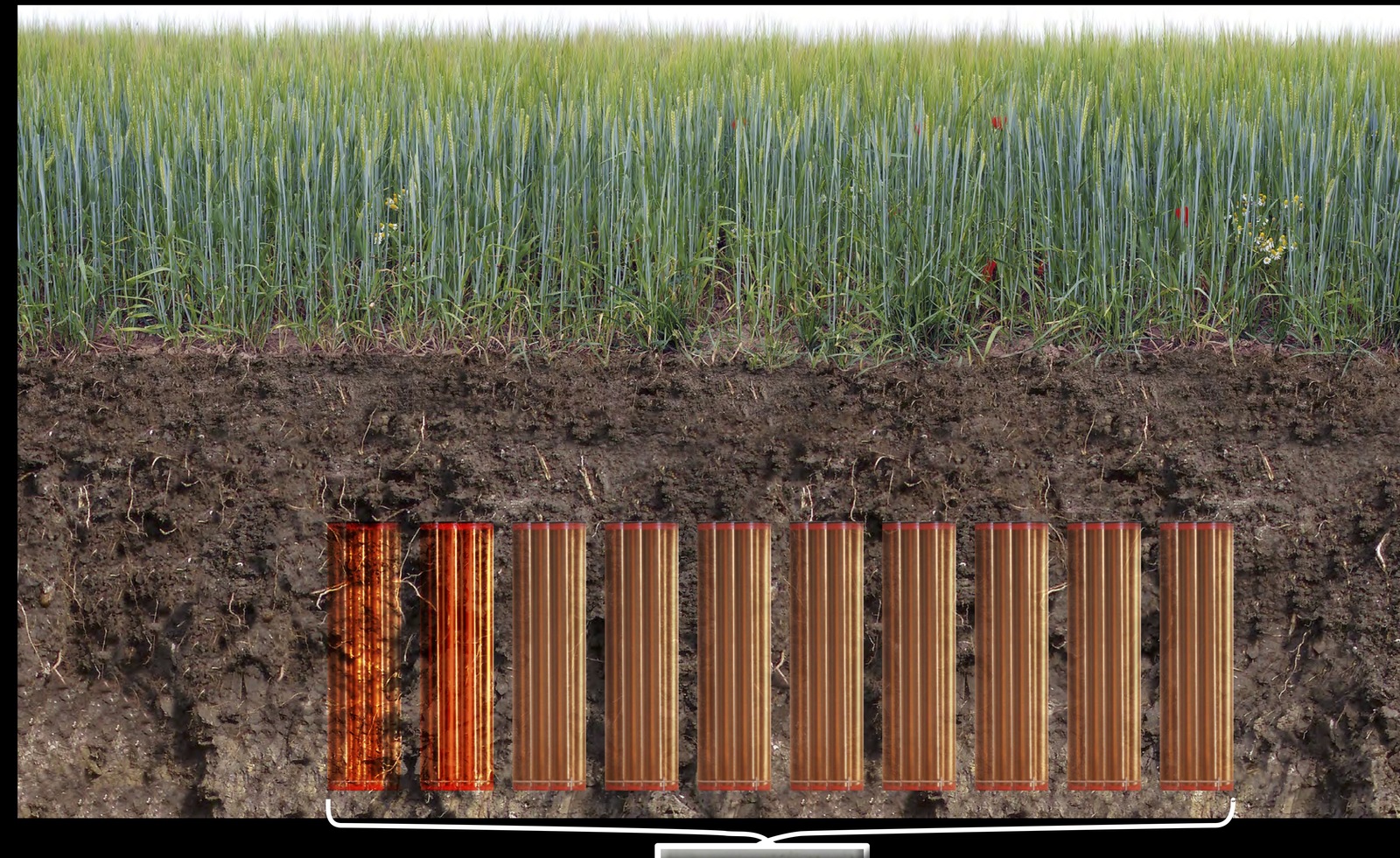
The collector's modules can be buried underground, leaving the surface free
to grow crops — unlike solar panels, which occupy the surface to function.
02
Underground Power Plant
A natural radiofrequency radiation collector can be used to create power stations
analogous to solar power plants. The collector is buried shallowly underground, and the
surface layer of soil is used to grow crops such as rice. This prospect has been
discussed in the People's Republic of China.
Because the modules sit below the surface, valuable land stays productive — the
plant generates electricity and grows food on the same footprint.
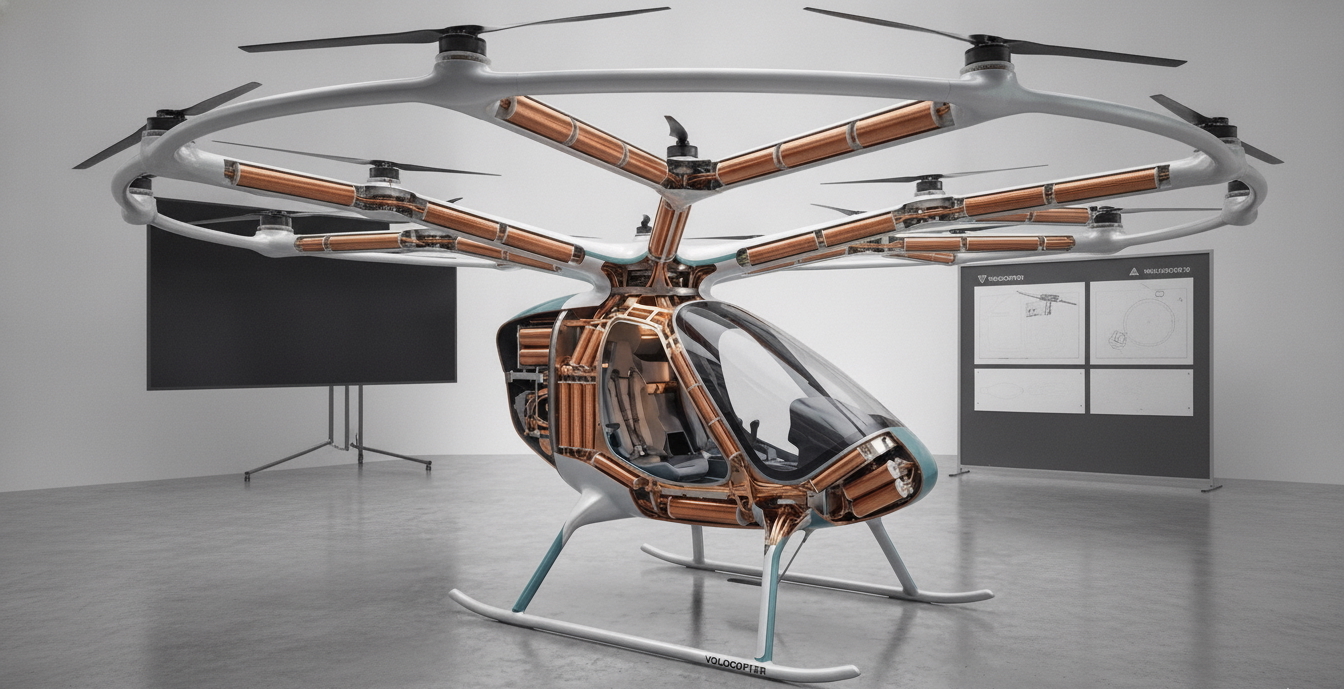
Copper solenoids integrated into the airframe and cabin collect natural
radiofrequency energy to drive the electric motors.
03
Powering Electric Aircraft
An electric aircraft whose structural volume is filled with hundreds of thousands of
solenoids uses a collector of natural radiofrequency radiation as the energy source for
its electric motors. Such an aircraft can cover unlimited distances and remain airborne
for a virtually unlimited time.
With the energy collector built into the structure itself, no fuel and no external
charging are required — the airframe is its own power source.
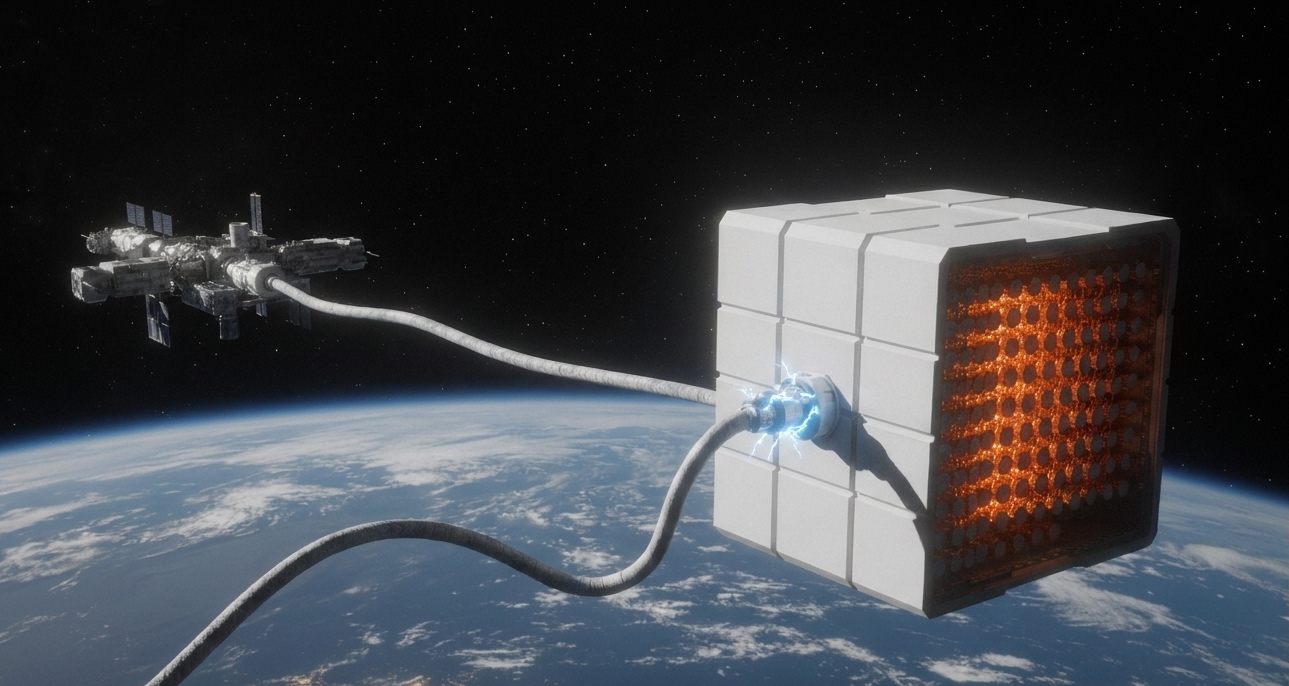
An energy cube of millions of solenoids supplies the orbital station with
power through a single cable — operating even in the dark.
04
Powering an Orbital Space Station
A 1,000-cubic-meter energy cube filled with millions of solenoids and connected to an
orbital space station via an electrical cable could supply electrical power to the
station's crew, as well as manufacturing processes in zero-gravity conditions.
Because the collector draws on natural radiofrequency radiation rather than sunlight,
it powers the station continuously through every orbit — including the dark side.